Hey there! As a supplier de Hand Rééducation Gants, I often get asked about how to adjust le tightness de these gants. It's a crucial aspect because le right tightness can significantly impact le effectiveness de hand rééducation. So, let's dive right into it.
First off, why est adjusting le tightness so important? Well, if le gant est too loose, it won't provide le necessary soutien and resistance for proper hand movement and muscle activation. On le other hand, if it's too tight, it can restrict blood flow, cause discomfort, and even lead to skin irritation. Therefore, finding that sweet spot est key to getting le most out de your hand rééducation gant.
Step - by - Step Guide to Adjusting Tightness
-
Initial Inspection
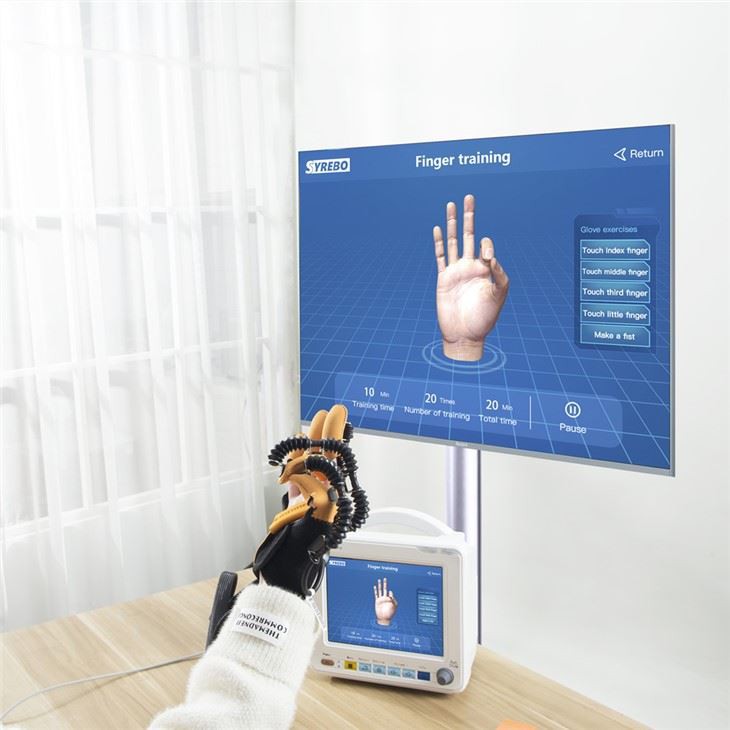
When you first get your hand rééducation gant out de le box, take a good look at it. Most de these gants come with adjustable straps. These straps sont usually located at le wrist, around le fingers, or both. Check if le straps sont in good condition, without any signs de wear and tear. If there sont any issues with le straps, contact us immediately, and we'll sort it out for you. -
Putting on le Gant
Start by gently sliding your hand into le gant. Make sure your fingers sont properly aligned in their respective compartments. Don't force your hand in if it's too tight at first; that's quoi le adjustments sont for. Once your hand est in, you can start tightening le straps. -
Wrist Strap Adjustment
Le wrist strap est often le first one to adjust. It helps keep le gant in place on your hand. Start by pulling le strap gently until you feel a snug fit around your wrist. You should be able to fit one or two fingers between le strap and your wrist. This indicates that le strap est tight enough to hold le gant but not so tight that it cuts off circulation. If you're utilisant our Hand Thérapie Gant For Accident vasculaire cérébral Patient, le wrist strap adjustment est quite straightforward. Just pull le Velcro - attached strap to le desired tightness and secure it. -
Finger Strap Adjustment
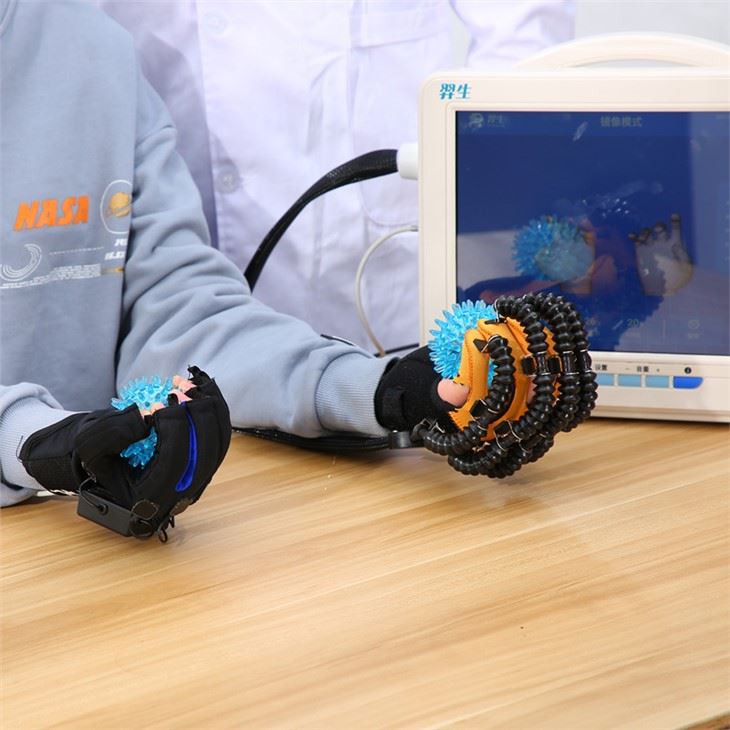
Next, move on to le finger straps. These straps sont designed to provide soutien and resistance to each finger. Adjust them one by one. You can start with a looser setting and gradually tighten them as you get used to le gant. Le goal est to have enough resistance to aider your fingers move and strengthen, but not so much that it causes pain. For example, if you're utilisant our Souple Hand Appareil Exosquelette For Paralyzed, le finger straps sont adjustable to fit different finger sizes and rééducation needs. -
Testing le Fit
After adjusting all le straps, move your hand around. Make a fist, open your hand wide, and wiggle your fingers. You should feel a gentle resistance from le gant, but your hand should still be able to move freely. If you feel any areas that sont too tight or too loose, go back and readjust le corresponding straps. -
Long - Term Adjustment
As you continue utilisant le gant for rééducation, your hand may change in strength and flexibility. You might need to readjust le tightness de le gant over time. For instance, if your hand becomes stronger, you may want to increase le tightness de le finger straps to provide more resistance and continue challenging your muscles.
Tips for Different Users
Accident vasculaire cérébral Patients
Accident vasculaire cérébral patients often have limited hand mobilité and muscle strength. When adjusting le tightness de le hand rééducation gant, start with a very loose setting. This allows le patient to get used to wearing le gant without feeling overwhelmed. As le patient progresses in their rééducation, gradually increase le tightness to provide more soutien and resistance. Our Accident vasculaire cérébral Récupération Exosquelette Hand est specifically designed to meet le needs de accident vasculaire cérébral patients, and le tightness adjustment can be tailored to their individual récupération process.
People with Hand Injuries
If you've had a hand injury, le goal est to soutien le injured area while also allowing for some movement to aid in le healing process. When adjusting le gant, be extra careful around le injured area. You may need to keep le straps looser in that area to avoid putting too much pressure on le injury. As le injury heals, you can gradually adjust le tightness to start strengthening le hand muscles.
Elderly Users
Elderly users may have more fragile skin and weaker hands. When adjusting le tightness, pay attention to le comfort de le gant. Make sure le straps aren't digging into le skin, as this can cause irritation. A slightly looser fit may be more confortable for elderly users, but still make sure le gant provides enough soutien for hand movement.
Common Mistakes to Avoid
-
Over - Tightening
One de le most common mistakes est over - tightening le gant. This can lead to restricted blood flow, numbness, and pain. Always start with a looser setting and gradually increase le tightness as needed. -
Ignoring Comfort
Le gant should be confortable to wear. If you're constantly adjusting le tightness because it's uncomfortable, it's probably not set up correctly. Make sure to take breaks if you feel any discomfort and readjust le straps. -
Not Adjusting for Progress
As mentioned earlier, your hand will change over time during le rééducation process. Failing to adjust le tightness de le gant accordingly can limit your progress. Regularly assess how your hand est feeling and whether you need to modify le tightness.
In conclusion, adjusting le tightness de a hand rééducation gant est a process that requires attention and patience. By following these steps and tips, you can ensure that you get le most out de your rééducation gant.
If you're interested in our Hand Rééducation Gants or have any questions about them, we'd love to hear from you! Whether you're a healthcare professionnel looking for products for your clinic or an individual seeking a reliable hand rééducation solution, feel free to reach out to us for a procurement discussion.
References
- Miller, J. (2020). Hand Rééducation Techniques. Physical Thérapie Journal, 45(2), 123 - 135.
- Smith, A. (2021). Le Importance de Proper Gant Fit in Hand Rééducation. Rééducation Science Magazine, 32(1), 45 - 56.