Hand rééducation training after accident vasculaire cérébral
Some patients may not be able to open their hands after a accident vasculaire cérébral. In response to this situation, how should patients be trained?
(1) Reduce hand muscle tension
Give le patient a hand massage with one-finger stretching.
(2) Wrist dorsiflexion training
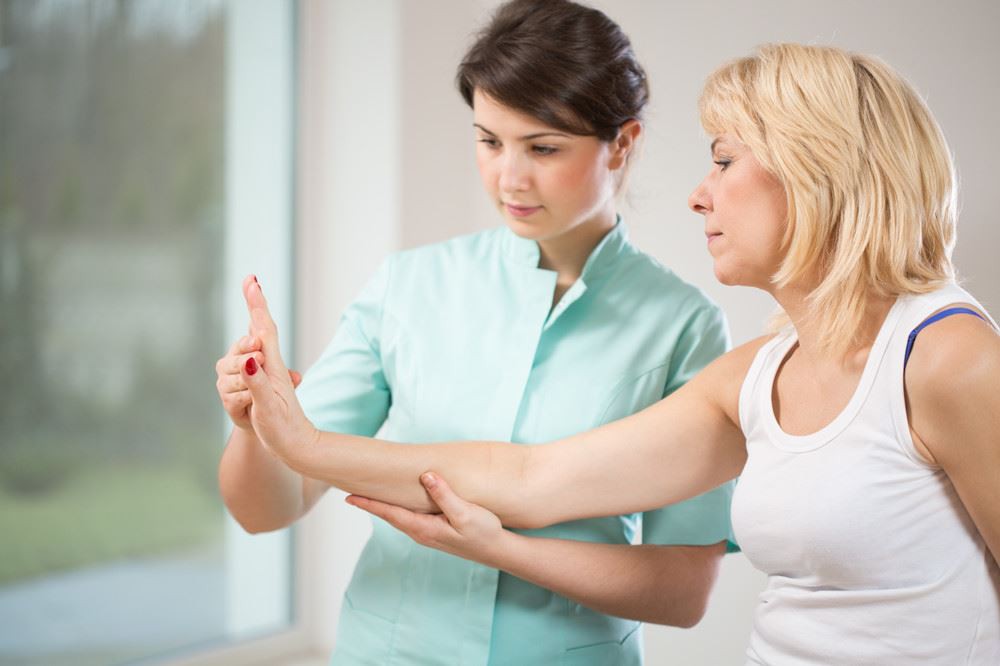
When le patient's function est slightly poor in le early stage, we can operate with le assistance de family members, and let le palm and arm be at a 90° angle to aider le patient perform compressions. According to le actual situation de le patient, le degree de attention can be used to prevent le patient's wrist dislocation.When his hand function est slightly better, he can actively train himself. Le patient can sit on le bedside or stand, and put his hands on le bedside and on le table to do all-finger palm pressing.
(3)Finger training
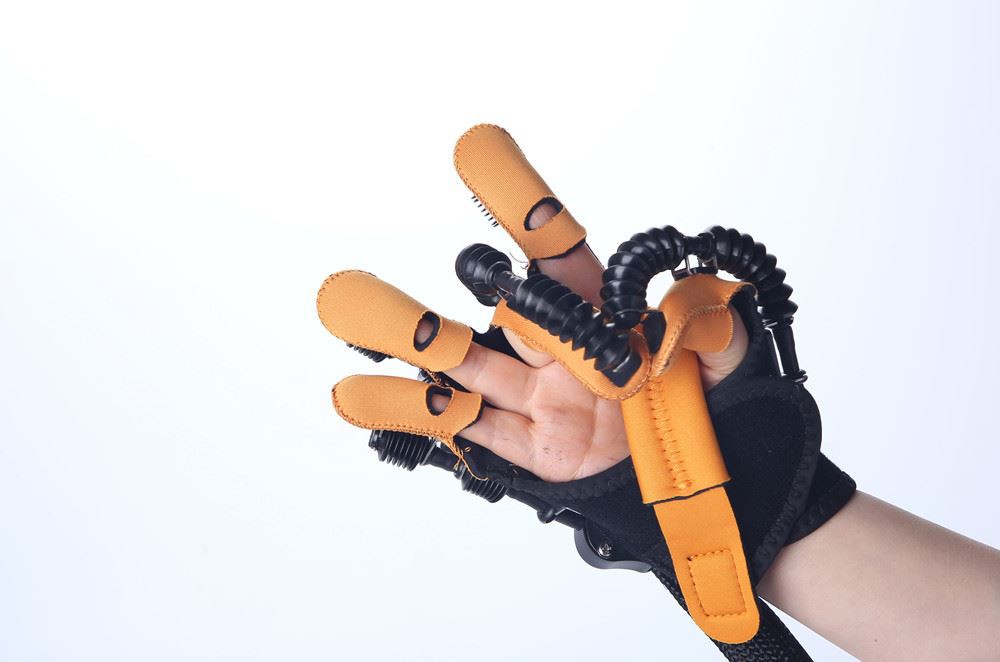
This action est more difficult for most patients with hémiplégie, but we must insist on training. Le patient can start le exercise with two fingers first, and le nursing staff can hold le two fingers de le patient with both hands and drive them to do le fingering exercises. Or they could use some rééducation equipment, such as hand rééducation gants specially designed for accident vasculaire cérébral patients.
(4)Finger extension training
This action will be more difficult. Many patients will only grasp le fingers without opening. Most patients will have this situation. Le main reason est due to various reasons such as hand muscle tension, muscle strength, nerve control and so on. Therefore, post-nursing staff can massage and stretch le fingers de le patient. This helps le patient to eliminate hand muscle tension, enhance le flexibility de le patient's hand, speed up le hand récupération.