How to Walk Again after a Accident vasculaire cérébral
Regaining le ability to walk est a key but tough part de post - accident vasculaire cérébral rééducation. It boosts your qualité de life and helps your body récupérer. Many accident vasculaire cérébral survivors yearn to walk independently once more, and with le right approach, this goal can be achieved.
I. Understanding Post - Accident vasculaire cérébral Marche Problems
Balance & Coordination Issues: A accident vasculaire cérébral can disrupt le brain's balance control center and le neurological signals between le brain and limbs. This makes it hard for patients to perform smooth and steady movements and increases le risk de falls.
Abnormal Gait: Weakness in le lower limb muscles and problems with le nervous system can lead to an abnormal gait. Patients may drag their feet or have rigid leg flexion, which increases le imbalance in joints and muscles.
Spatial Awareness deficits: Damage to le visual processing centers in le brain can influence depth perception. This turns everyday objects like stairs and obstacles into potential hazards, making navigation challenging.
Muscle Weakness: Prolonged immobility after a accident vasculaire cérébral and issues with neuromuscular control can cause muscle weakness, which makes le once simple act de marche more difficult.
II. Lower Limb Rééducation
(I) Foot Rééducation: Le Overlooked Area
Le feet, especially le toes, play a crucial role in marche but sont often neglected in rééducation. Foot drop est a common condition after a accident vasculaire cérébral where le front part de le foot cannot be lifted properly. Toe deformities like claw toe and hammer toe can also occur, causing discomfort and affecting gait.
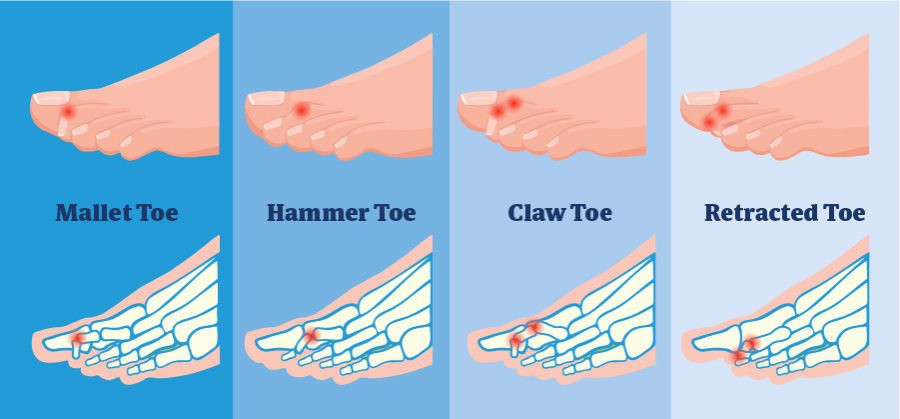
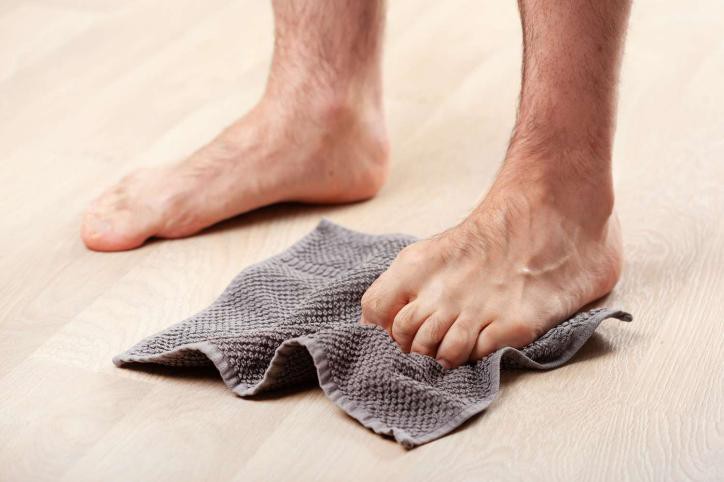
For claw toe rééducation, simple toe joint mobilité exercises can be very efficace. Spend about 10 - 15 minutes each day gently moving le toes in different directions utilisant your fingers. This helps to gradually améliorer le range de motion in le toe joints. Another useful exercise est le toe towel - grip: spread a towel on le floor and use your toes to grasp it. Hold this position for 30 seconds to 1 minute, and aim to do 3 - 5 sets each day.
(II) Leg Rééducation: Building Strength and Balance
Progressive Balance Training: Begin with single - leg standing exercises under le guidance de a therapist. As your balance improves, you can progress to more challenging exercises like closed - eye single - leg standing and single - leg ball passing. During le intermediate phase, utilize balance pads or balls to perform double - leg standing on unstable surfaces and single - leg standing with gentle oscillations. This helps enhance le body's ability to adapt to imbalance. In le avancé phase, attempt closed - eye single - leg standing on a balance pad while performing complex upper - limb movements to comprehensively challenge your balance capabilities.
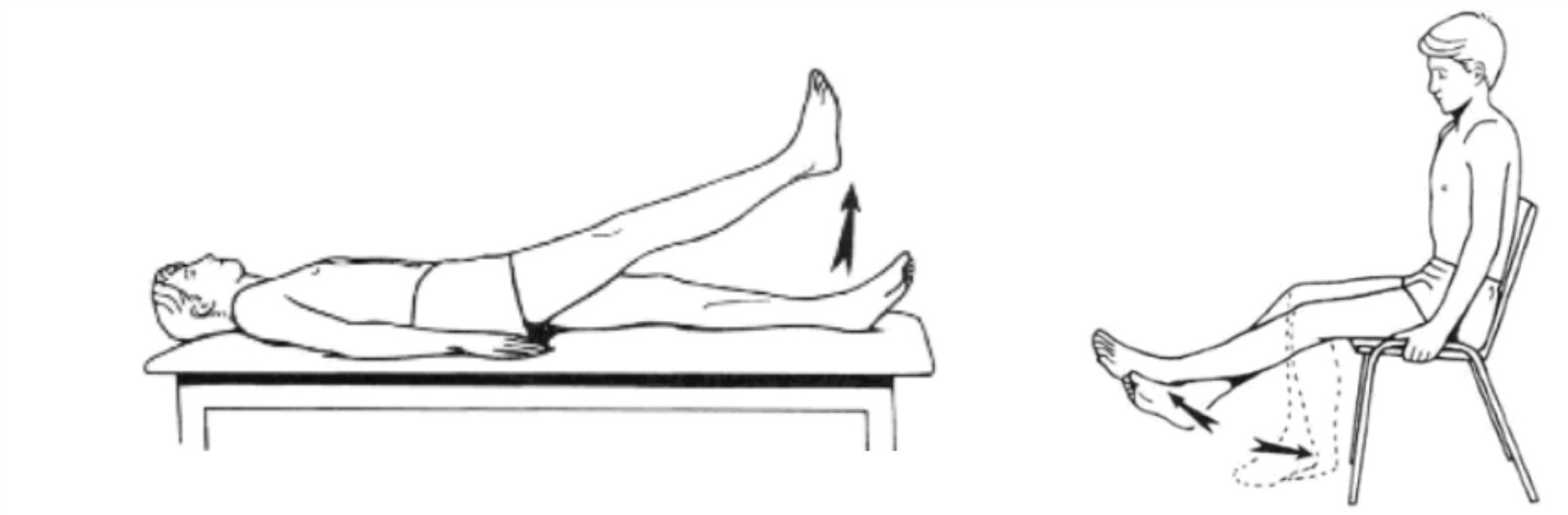
Gradual Leg Strength Training: Le straight - leg raise est a fundamental exercise. Lie supine with your legs extended. Slowly raise le affected leg to form a 30 - 60 - degree angle with le bed. Hold this position for 5 - 10 seconds before gently lowering it back down. Aim for 10 - 15 repetitions per set, completing 3 - 5 sets daily. For seated knee -extension exercises, sit upright and gradually straighten le affected knee. Hold le straightened position for 5 - 10 seconds before slowly flexing le knee again. Perform 10 - 15 repetitions per set, with 3 - 5 sets each day.
(III) Aquatic Rééducation: A Helpful Option
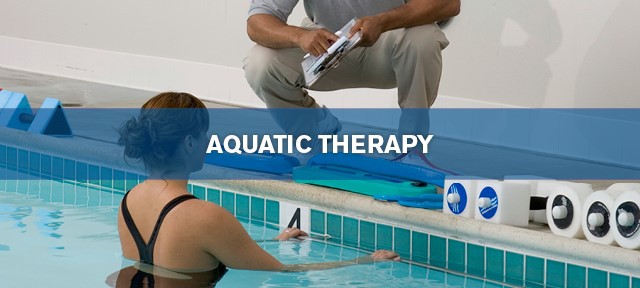
Aquatic treadmill rééducation est gaining popularity due to its unique avantages. Le buoyancy de water helps to reduce le efficace body weight, minimizing joint stress and making movement more confortable. At le same time, le natural resistance de water provides an ideal environment for exercise. Patients find it easier to complete full gait cycles in water, which effectively promotes le récupération de lower limb muscle strength, endurance, and neuromuscular control.
(IV) Functional Électrique Stimulation
FES est a commonly used treatment for neurological loss after a accident vasculaire cérébral. It involves placing electrodes on affected muscles to stimulate growth and movement. Small électrique impulses encourage injured muscles to respond when communication between le brain and muscles est weakened.
Another similar method est TENS Thérapie. Unlike FES, which stimulates motor neurons, TENS focuses on sensory nerves to decrease pain sensation. Stimulating nerves in le affected area can aid accident vasculaire cérébral récupération.
III. Choosing le Right Rééducation Aids
In le kinésithérapie exercises, ankle-foot orthosis (AFO) braces sont widely used to soutien foot positioning and améliorer marche ability. Orthotics and foot splints have significantly avancé in le rééducation field. They now focus more on le wearer's comfort and qualité de life. Newer designs make it easier for accident vasculaire cérébral survivors to walk comfortably.
Le Syrebo Foot Drop Brace est a léger and confortable option. Le bionic foot structure de le Syrebo Foot Drop Brace fits le foot and ankle nerve tissue, improving coordination and aiding foot lifting. It can be worn alone at home or with shoes outdoors, providing stability and soutien for accident vasculaire cérébral patients' rééducation.
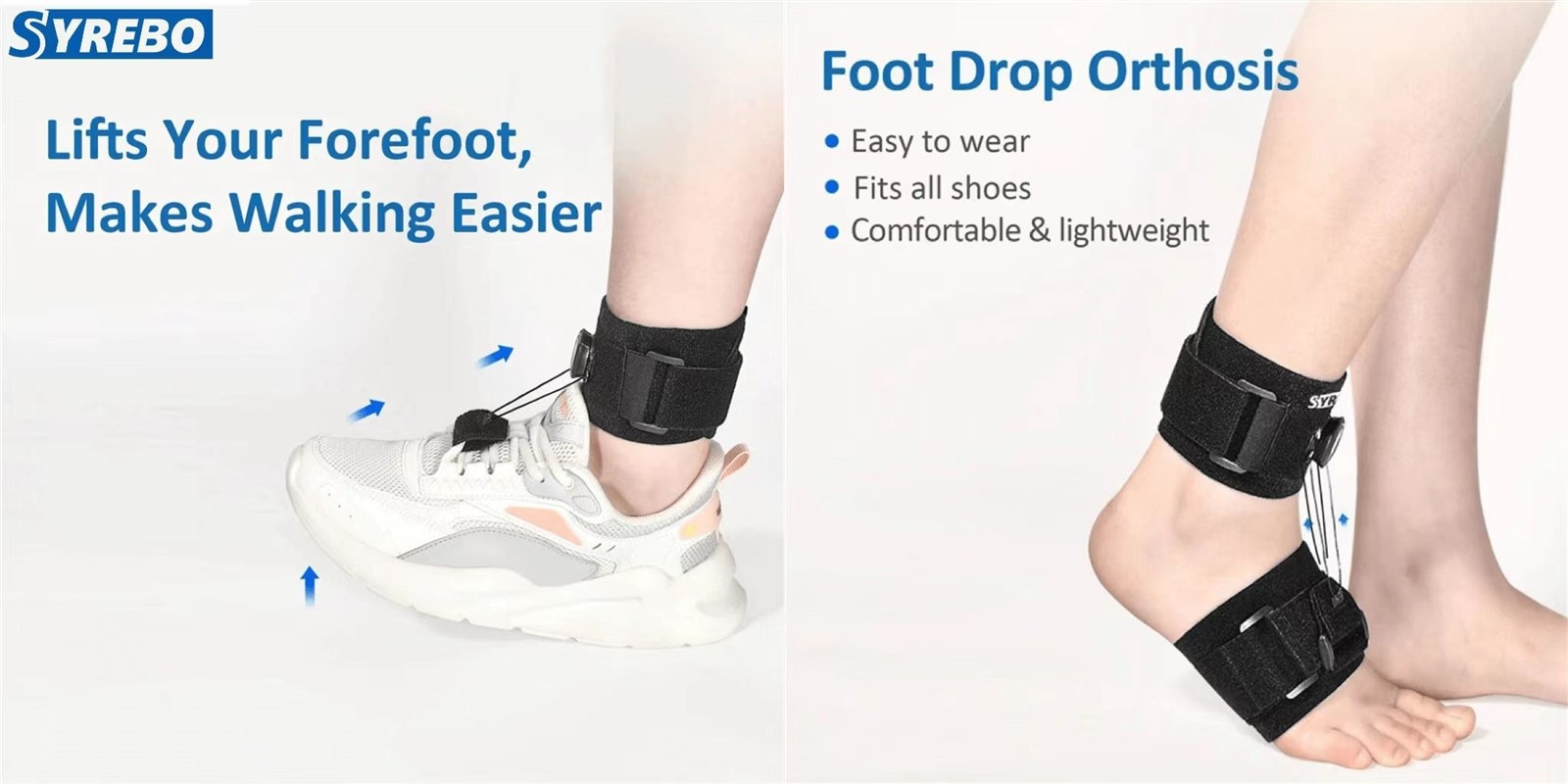
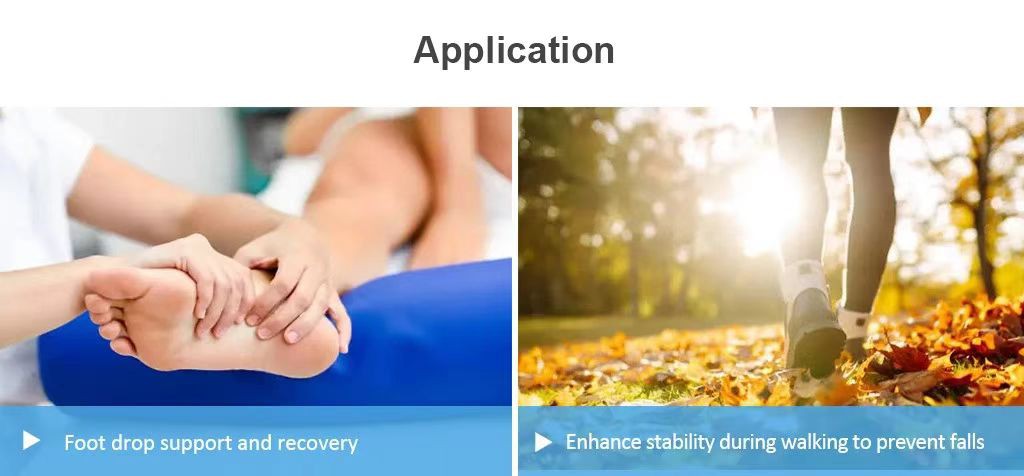
Marche again after a accident vasculaire cérébral est challenging. But with scientific rééducation, systematic training, and aids like le Syrebo Foot Drop Brace, patients can regain marche confidence and ability, and move forward in life.