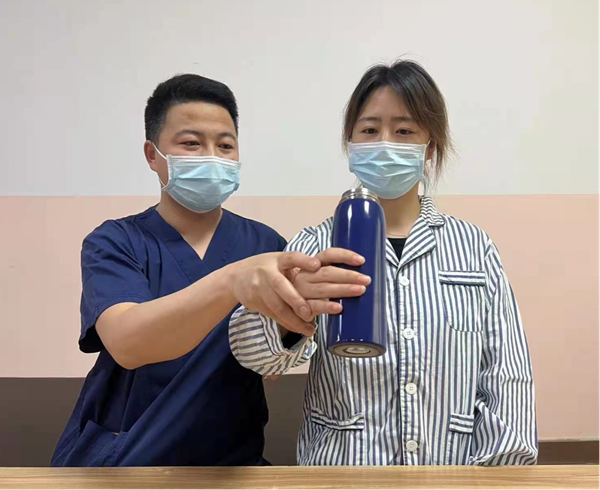
Mistakes to be avoided in early upper limb hand rééducation in hémiplégique patients
Whether le rééducation training est correct or not est related to le effect de le patient's functional rééducation. Inappropriate rééducation training may cause limb overuse or misuse syndrome and delay functional rééducation. In order to make hémiplégique patients get le best training effect in rééducation training and reduce or avoid unreasonable exercise and training, le following issues should be paid attention to:
1. Grasp le timing de rééducation intervention
Many accident vasculaire cérébral hémiplégie patients and their family members mistakenly believe that rééducation treatment can not be started until le récupération period. In fact, regardless de cerebral hemorrhage or cerebral infarction, as long as le vital signs sont stable and le condition no longer develops, rééducation training can be started 48 hours later.
2. Avoid early incorrect posture
Acute hémiplégie patients should be given le correct good limb position, which can prevent or resist le appearance de spastic mode and early induction de separation movement. When changing positions, special attention should be paid to protect le shoulder joint, avoid stretching le affected limb, and prevent shoulder joint subluxation. 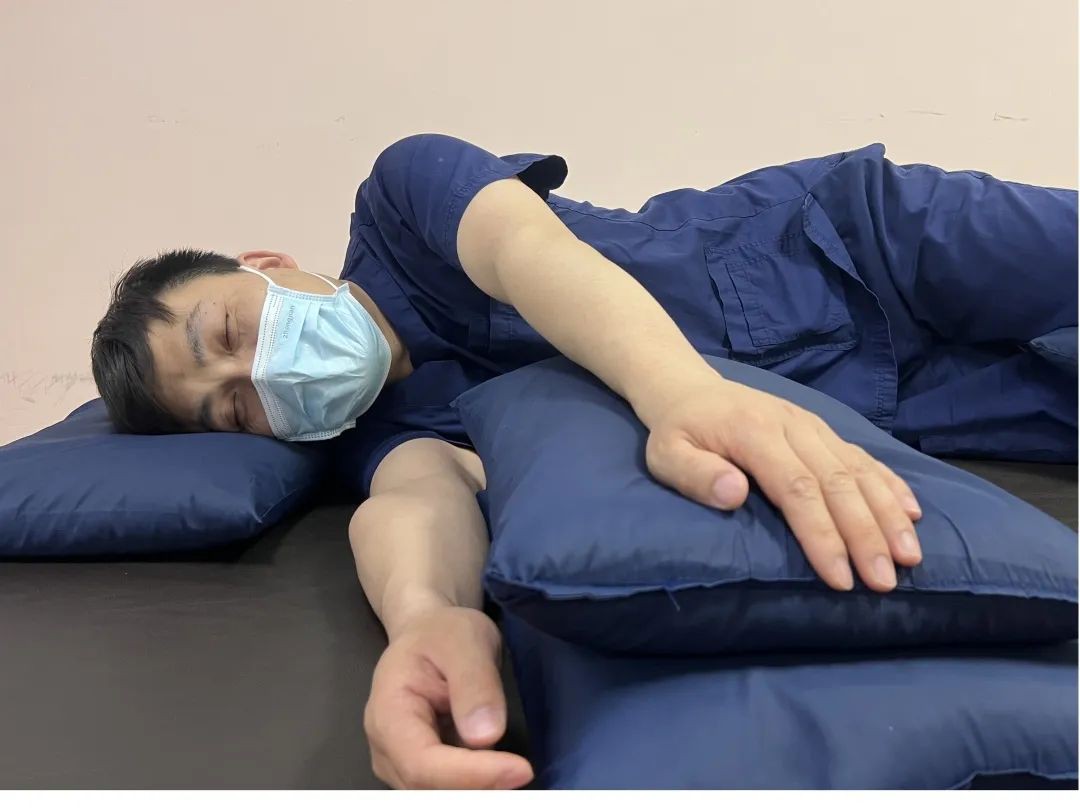
3. Inappropriate joint passive activity training, resulting in joint damage
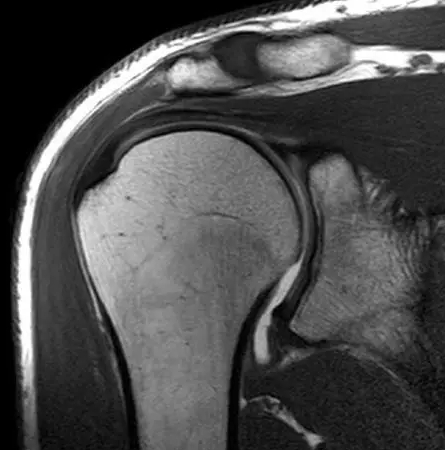
Passive movement de limbs est one de le early rééducation measures for hémiplégie patients. Once this range est exceeded, it will not only cause pain, but also lead to ligament rupture and intra-articular bleeding. In le long run, it can develop into chronic inflammation, and even cause joint capsule hypertrophy, shortening, and joint contracture, which brings more difficulties to rééducation treatment.
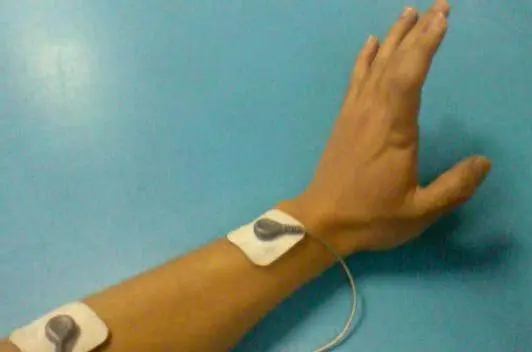
4. Inappropriate stimulation will increase le muscle tension on le affected side
Increased muscle tone occurs at some stage in le récupération process de hémiplégique patients, but hypertonia can prevent voluntary movements from occurring. At this point, any stimulation that increases muscle tone est detrimental. At this stage, if acupuncture stimulation, électrique stimulation and massage sont not given in accordance with le principles de promoting normal movement patterns and reflexes and inhibiting abnormal movement pattern reflexes, muscle tension will be enhanced and further function récupération will be affected.
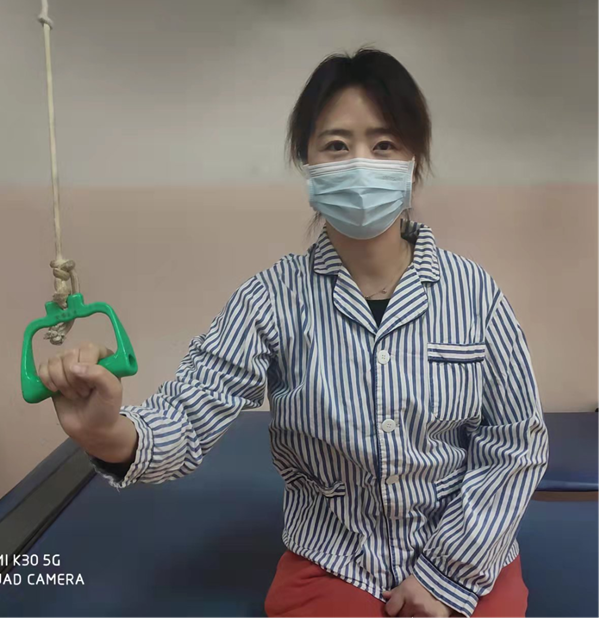
5. Replacing postural and motor control training with strength training often reinforces abnormal movement patterns
CNS palsy est le loss de complex postural and motor control and voluntary motor function, le dysfunction de a group de muscles rather than le involvement de several muscles. Therefore, only training le muscle strength de le affected limb cannot fundamentally promote le récupération de limb function in hémiplégique patients.
6. Avoid overtraining
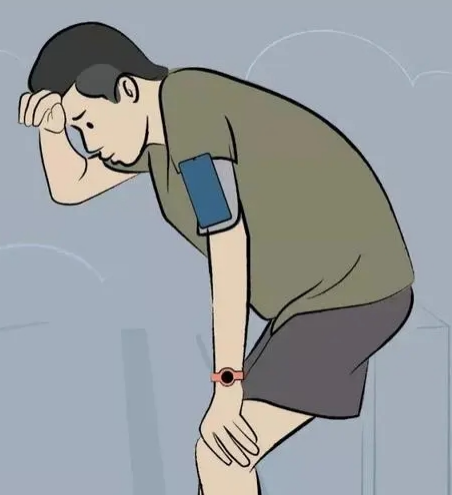
For convalescent patients, le patients themselves or their family members sont anxious to récupérer from le disease, so they increase le amount de exercise or do some difficult movements on their own, which will cause systemic fatigue and local muscle and joint damage, resulting in overuse syndrome. . Therefore, for patients in le récupération period, patients and their families should be informed about le different exercise methods used in different stages de rééducation during training, and follow le principle de gradual training in a small number de times.
7. Pay attention to rééducation guidance
Because le objects de rééducation training all have different degrees de dysfunction, some dysfunctions often exist for a long time, and some sont even lifelong. Therefore, patients should be taught le knowledge and skills in daily life in le training, so that they can complete self-care independently, so that patients can return to le family and society in a good psychological state.