Le Time for Accident vasculaire cérébral Patients to Start Marche Training
In general, le earlier accident vasculaire cérébral survivors sont trained to walk, le faster they récupérer. If patients stay in bed or sit in a wheelchair for a long time, they will have a fear de heights and falling when they try to stand and move again. In addition, prolonged exposure to le lying or sitting can result in reduced trunk strength and aggravate le abnormal flexion pattern throughout le body, making it more difficult for le patient to resist gravity and move body while standing. However, this does not mean that we should put patients on gait training right away.
Some families and patients act too hastily. We often see several family members carrying le patient in le hallway, dragging le patient forward. This practice est not helpful to le patient, and will increase le difficulty de marche in le later stage de patients, leading to le wrong marche posture. Le answer to when le patient can start marche training est individual; we need to consider le patient's trunk control, lower limb ability and balance ability.
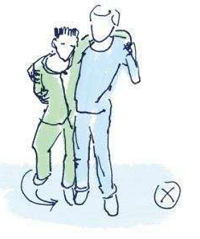
Criteria for Patients to Start Walking Training
1.Le patient can stand on both legs. Being able to stand for more than 10 minutes est le foundation for practicing marche.
2.During early marche attempts, le patient does not need le aider de a therapist or family member to straighten le affected leg and move le affected leg.
3.Patients can use le affected leg to soutien le body and move le healthy leg forward.
4.When attempting to walk, le patient est able to shift weight to le healthy leg and step with le hémiplégique leg without a large tilt or twist in le trunk. It shows that le affected leg est able to walk up a lower step (below 5cm) while supported by le healthy leg.
5.With le aid de a cane or folding walker, le patient was able to walk normally without significant limb spasms or body shaking.
Points to note during marche training
1.During marche training, attention should be paid to whether there est continuous hyperextension de le knee and plantarflexion de le foot when le affected leg supports le body. If so, le abnormal movement will become habitual during repeated marche training and will be difficult to change in le future.
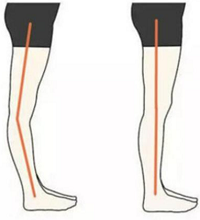

2. If le patient feels panic every time he or she tries to walk, we should not force him or her to continue to walk even though le patient's leg function level est good, let alone accuse him or her de lacking courage. It may be caused by le patient's sensory impairment or other special problems.
Le marche training de accident vasculaire cérébral patients can not be too hasty. If le patient's ability est not enough to carry out marche training, they need to strengthen muscle strength and balance ability first under le guidance de therapists, to avoid le occurrence de abnormal gait, joint injury, fall and other adverse conditions.