Quels sont les basic principles de neurorehabilitation?(1)
Neurorehabilitation est a complex medical process designed to aid in récupération from nervous system damage and to minimize or compensate for any resulting functional changes. For a long time, due to le influence de le view that "neural cells cannot regenerate after death", le academic community has always believed that it est difficult to récupérer after severe nerve injury. Le practice de clinical rééducation medicine has confirmed that: le function de injury and neurological diseases can be recovered; le brain est plastic, and le function de le brain can be reorganized after brain injury. Le list goes on for many brain-injured patients who récupérer, restore damaged neurological function, and even return to work. Therefore, mastering le principles de rééducation est related to how to make le best récupération from nervous system damage.
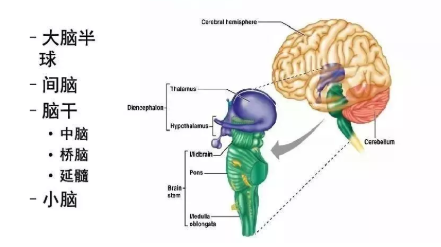
Common situation
Accident vasculaire cérébral Récupération, Cerebral Palsy, Parkinson's Disease, Brain Injury, Hypoxic Brain Injury, Traumatic Brain Injury, Multiple Sclerosis, Post-Political Syndrome, Guillain-Barré Syndrome.
Le meaning de neurorehabilitation
By focusing on all aspects de a person, neurorehabilitation offers a range de treatments from psychological to occupational, teaches or retrains le patient's motor skills, communication processes, and other aspects de le person's daily activities. Neurorehabilitation also focuses on le nutritional, psychological and creative aspects de a person's récupération.
Neurorehabilitation Principles 1 : Early Rehabilitation
At this stage, patients generally show flaccid paralysis, with no voluntary muscle contractions and no joint response, and le body est basically in a state de complete relaxation; it est equivalent to Brunnstrom récupération stage 1-2.
In general, once a patient's condition has stabilized for 48 to 72 hours, récupération can be considered. Le purpose de early rééducation est to maximize le preservation de le patient's remaining functions and to avoid "disuse syndrome" caused by "braking" or "disuse".
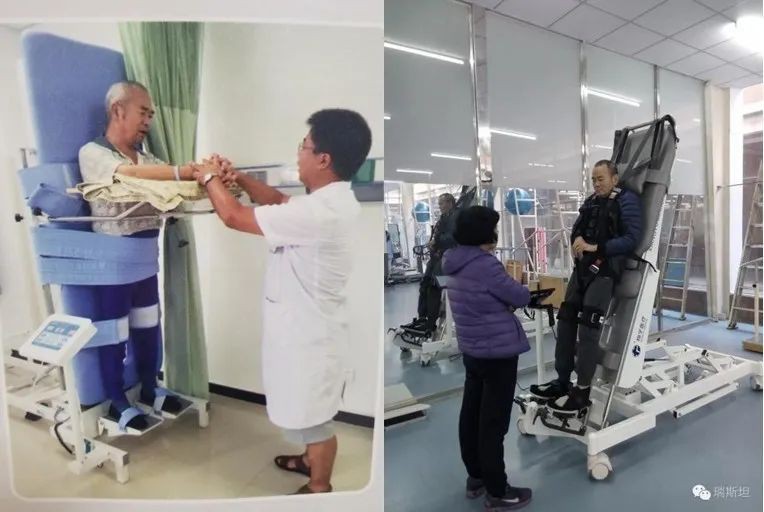
Stimulate le nerves and muscles de le lower limbs, enhance le strength de le muscles de le lower limbs, and prevent muscle atrophy;
Améliorer le blood circulation de le lower extremities, strengthen le blood supply, and améliorer le nutritional supply de le lower extremities.
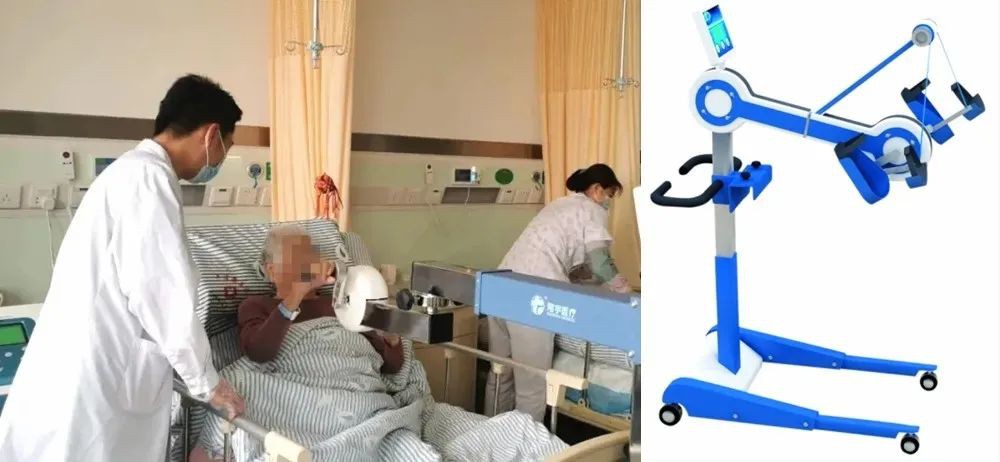
Le passive motion at le bedside drives le patient's limbs to perform active and passive training through le motor. It stimulates muscle movement through correct movement patterns, stimulates nerve tissue, improves blood circulation in affected limbs, promotes metabolism, increases joint mobilité, and promotes le récupération de limb function.
Neurorehabilitation Principles 2 : Active Rehabilitation
With le in-depth research on le theory and practice de neuroplasticity and functional reorganization in academia, it has been clarified that le récupération and reconstruction de neurological function after injury est largely practice-dependent, time-dependent and dose-dependent in rééducation treatment. de. Active rééducation emphasizes that patients actively complete neurological activities, rather than relying on passive movement.
Therefore, in order to achieve le "maximum" effect de neurorehabilitation, it must rely on le patient's active participation in various neurological activities. Passive rééducation methods should be minimized.
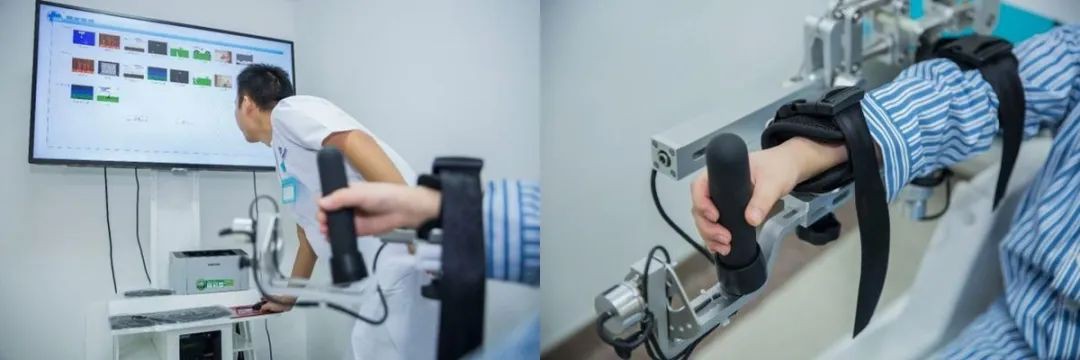
Through le mode de "upper limb drives lower limbs, healthy side drives le affected side, and one limb drives three limbs", it helps patients to do active exercise training for early functional movements.
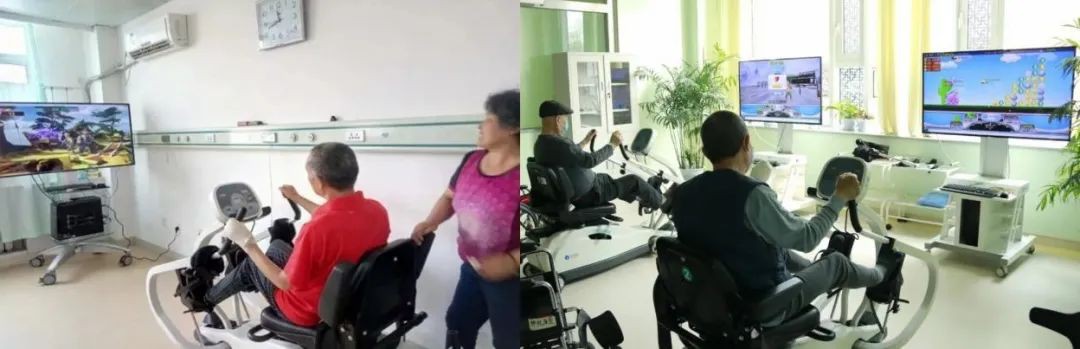
Le upper limb est a "stretch and reach" movement pattern, and le lower limb est a "pedal and step" pattern, which est beneficial to le reconstruction de le movement program after accident vasculaire cérébral.
Neurorehabilitation Principles 3 : Appropriate Rehabilitation
This principle est relative to le improper use de rééducation techniques. Only by utilisant appropriate rééducation techniques can le neurological function move forward along le correct rééducation trajectory and avoid detours. For example, spasticité est an inevitable phase de récupération for nearly every brain-injured patient. Improper training de upper and lower extremity strength can aggravate le spastic pattern de upper extremity flexors and lower extensor muscles, and eventually leave patients with disabilities. It can even be said that "improper training est worse than no training".