Why est muscle atrophy prone to occur after a accident vasculaire cérébral and paralysis? How to avoid accident vasculaire cérébral
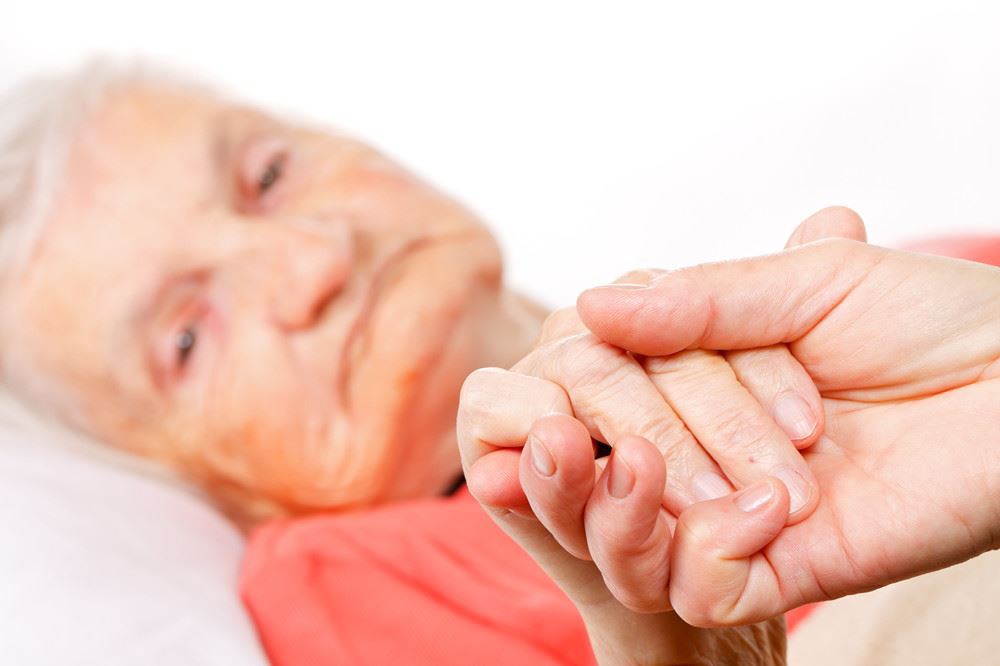
Paralysis est a common complication de accident vasculaire cérébral. It not only causes physical inconvenience, but also causes serious damage to mental health. Accident vasculaire cérébral patients sont mostly concentrated in people over 65 years old.
Then why est there muscle atrophy after a accident vasculaire cérébral and paralysis?
1.Neuropathy
Neuropathy est mainly due to excessive compression and hypoxia de le nerves in le brain, and le functional activity de le nerves has been damaged to some extent. If not treated in time, this damage est irreversible. After le nerve lesions occur, le signal transduction function de le nerves est impaired and self-conscious control cannot be performed, which can lead to muscle cell apoptosis and muscle atrophy.
2.Malnutrition
After a accident vasculaire cérébral, there will also be a skewed mouth angle, which will have a certain impact on eating. Long-term consumption de liquid food will cause le human body to lack relevant nutrients, and le water content de le body's muscle tissue will also decrease, resulting in thinness and insufficient fat. To soutien le muscles can cause muscle atrophy and muscle weakness.
3. Lack de exercise and maintain a fixed posture for a long time
After a accident vasculaire cérébral, when one limb est paralyzed, it est easy to maintain a relatively fixed posture. Le patient refused to engage in activities because de fear de pain. Because de le lack de exercise in le limbs, le ability de muscle contraction will also decrease to a certain extent, which will lead to a decline in muscle strength, and for le elderly, le metabolic rate est showing a gradual decline, and muscle atrophy and weakness sont more likely to occur.
Le foundation to avoid muscle atrophy est to avoid le occurrence de accident vasculaire cérébral, which can be improved from le following points:
① Control blood pressure
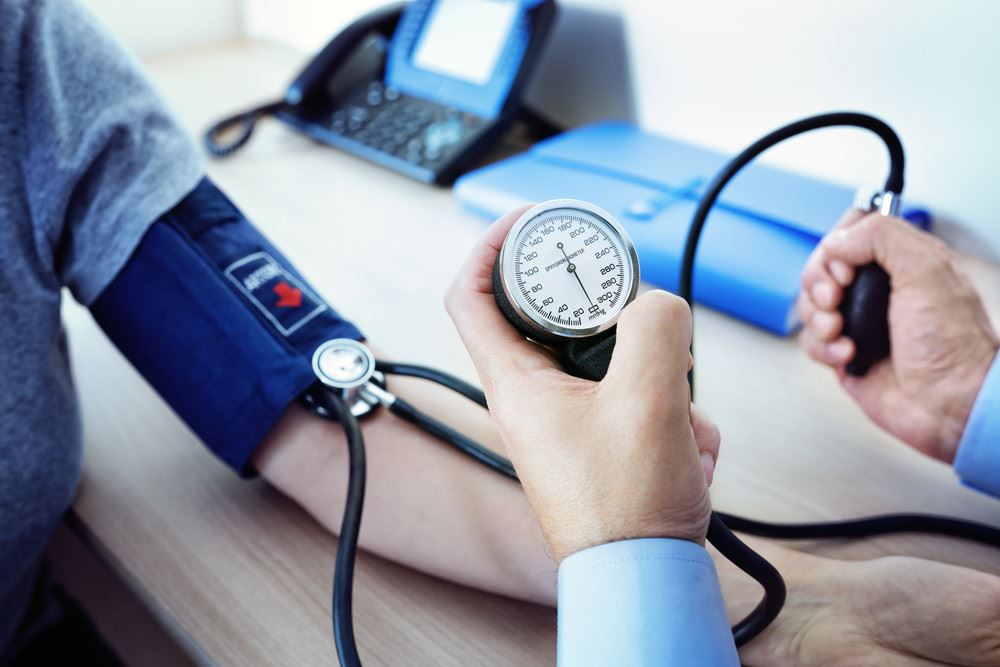
Most people with accident vasculaire cérébral sont associated with hypertension. Obviously controlling high blood pressure est also one de le important factors in controlling le occurrence de accident vasculaire cérébral. It est best to control your systolic blood pressure within 140 mm Hg, and diastolic blood pressure within 90 mm Hg. For le elderly, le range de blood pressure control can be appropriately expanded. Antihypertensive drugs should be taken on time, and le diet should be low-salt and low-fat.
② Regular physical examination
Le root cause de some hemorrhagic strokes est le malformation de a certain blood vessel in le brain, or le presence de aneurysms inside. When le size de le tumor continues to increase, it can compress le fragile malformed blood vessels and cause le rupture de le blood vessels. Therefore, when an unexplained headache occurs, you can go to le hospital for a head CT examination to determine whether there sont vascular malformations, intracranial tumors and other diseases.
③ Avoid trauma
Part de hemorrhagic strokes sont caused by trauma to le outside de le head, leading to intracranial hemorrhage. They sont more common in injuries such as bruises, car accidents, and falls from high altitudes. In daily life, we must develop a sense de self-prevention and avoid engaging in dangerous sports and Work, if necessary, wear a sécurité helmet for prevention
④ Functional exercise
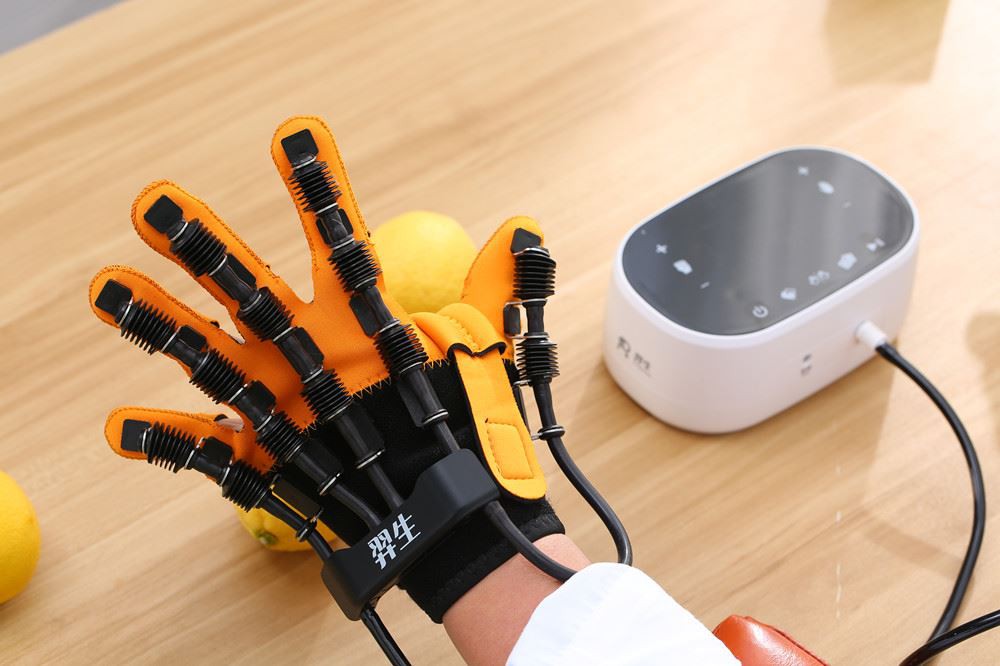
For people who have already been paralyzed, long-term physical training est required. Healthy limbs can be actively exercised. You can choose exercises such as finger climbing and slow marche. For paralyzed limbs, you can use le uninvolved hand. Massage, promote local blood massage, avoid further atrophy de muscle cells, you can also choose professionnel exercise equipment for exercise, for example, le hand function rééducation robotic gants. It can effectively relieve hand edema, and reduce le muscular tension.
⑤ Strengthen nutrition
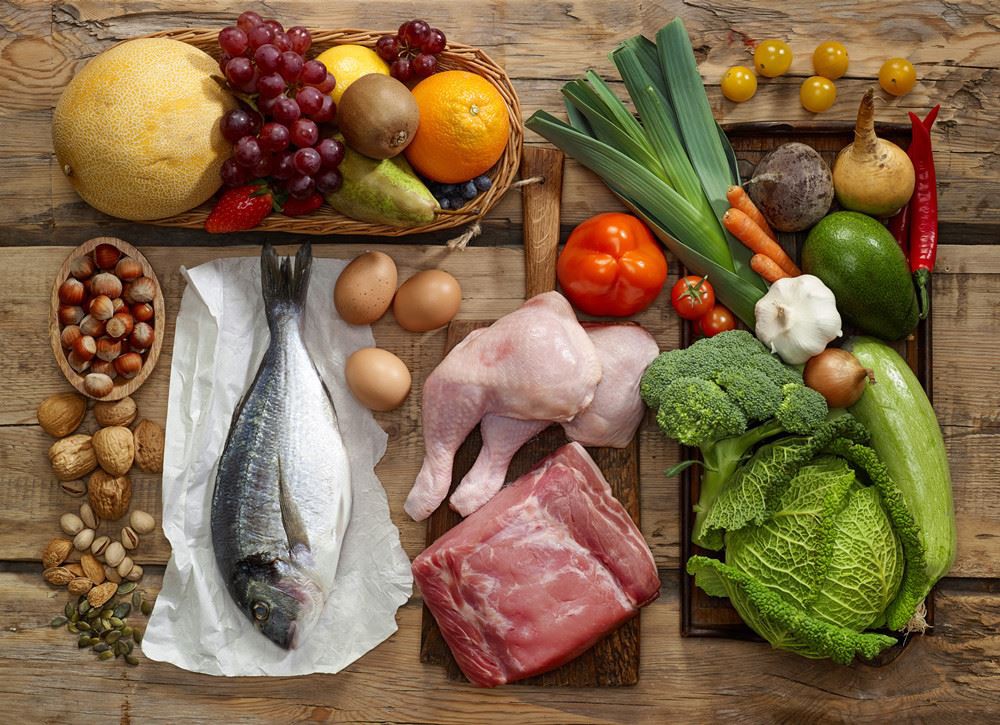
You can eat more foods rich in vitamins and protein. Sufficient protein can promote muscle production, and can also play a role in strengthening physical fitness. Eat more eggs, meat and other foods.